
Spain is paying twice for the same problem. The fix started on 1 September.
📊 The numbers first. Red Eléctrica’s post-blackout “operación reforzada” has cost the system €3.57bn so far this year, 37% more than the same period of 2025, mostly by keeping combined-cycle gas plants running for security while TTF sits above €75/MWh. In parallel, renewable generators have lost roughly €391m to curtailment: about 1,560 plants and close to 10,000 GWh of output not evacuated. Aurora puts uncompensated spillage at 2.5 TWh in H1 2026 alone, 50% more than the whole of 2024.
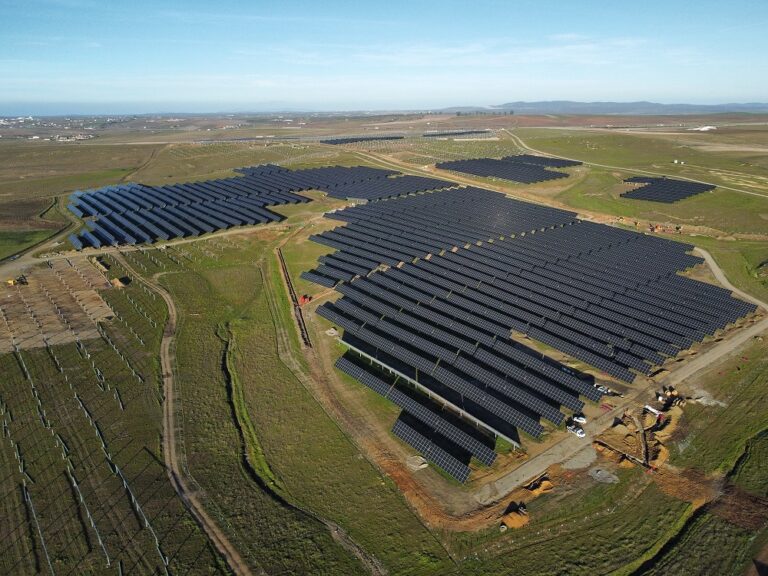
We read this as the end of the “MW installed” era. A merchant solar plant in a saturated node in Extremadura or the Ebro valley is no longer worth what its nameplate suggests, and buyers know it. Curtailment assumptions now sit at the centre of every diligence we run.
⚡ What changed on 1 September is the rulebook, not the copper. CNMC’s flexible-access regime creates four permit types for demand and storage in nodes with no firm capacity, from fixed hourly profiles at distribution level (type 0) to mandatory load reduction on operator instruction at transmission level (type 3). The clause that matters for developers: batteries and pumped storage are processed as flexible access from the first application, and existing storage permits have three months to convert.
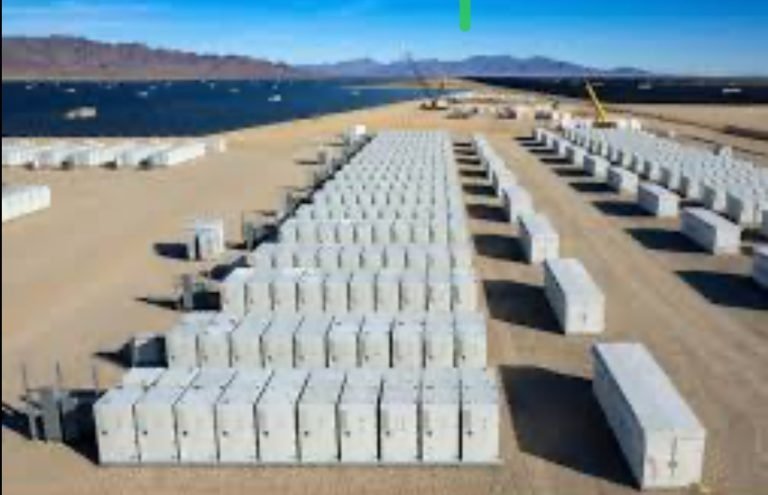
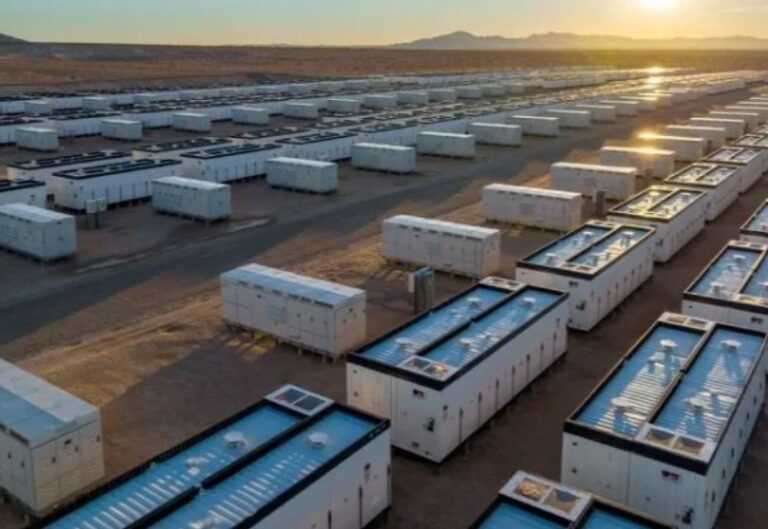
🔋 In practice, a BESS co-located with a curtailed PV plant can behave as demand at 13:00 and as generation at 20:00. That frees capacity at the node rather than consuming it. The obligations are real: real-time telemetry under POD1, a bilateral control contract with the network operator, annual utilisation reporting. Model the disconnection hours before you model the revenue.
📍 Two conclusions from the developer’s seat. Node selection and hybridisation are now the product, not the paperwork. And value has moved from the panel to the connection point and whatever sits behind it that can shift energy out of the 12:00–16:00 hole.
🎯 The developers who priced grid risk honestly in 2023 look expensive today. They will look cheap by 2028.
Sources: El Español (3 Sept), CNMC resolution on flexible access (in force 1 Sept 2026).